

If you are noticing leaks, ponding water, membrane damage, or rising maintenance costs, those may be signs your commercial roof needs repair or replacement.
For building owners and property managers, roof problems rarely stay small for long. What starts as a minor issue can quickly lead to interior damage, insulation problems, disruption for tenants or staff, and much higher repair costs. That is why it helps to know what to look for early and when to bring in a professional.
A commercial roof does not always fail all at once. In many cases, the warning signs show up gradually. The key is knowing when the roof needs a targeted fix and when the condition of the system points to a full replacement instead. That is also why it helps to work with a team experienced in commercial roofing Michigan property owners can count on.
Why Early Roof Issues Matter
Commercial roofing systems are built to protect far more than the building itself. They help protect operations, inventory, equipment, employees, customers, and tenant spaces.
Manufacturers and commercial roofing resources consistently emphasize that regular inspections and maintenance help catch debris, drainage issues, loosened flashings, and weather-related damage before those problems become major repairs. If you want an outside reference on that point, GAF’s roof asset management and maintenance resource is a strong one.
That is one reason roof issues should never be ignored. Even a small area of damage can lead to larger moisture problems below the surface.
The Most Common Signs Your Commercial Roof Needs Repair or Replacement
Not every roofing issue means you need a full replacement. Some problems can be addressed with prompt commercial roof repairs. Others are a sign that the roof system is aging out and becoming too costly to keep patching.
Here are some of the most common warning signs to watch for.
1. Leaks or Water Stains Inside the Building
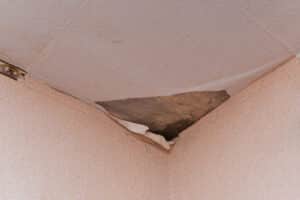
Interior leaks are one of the clearest signs that something is wrong with your commercial roof.
You may notice water stains on ceiling tiles, drips during rain, moisture near walls, or signs of mold in upper areas of the building. In some cases, the source is obvious. In others, water may travel before it becomes visible indoors.
One leak does not automatically mean the roof needs to be replaced. But repeated leaks, leaks in multiple areas, or leaks tied to broader membrane failure are stronger signs that the roof system may be nearing the end of its service life.
2. Ponding Water That Does Not Drain Properly
Standing water on a flat or low-slope roof is a major red flag.
Commercial roofing guidance often points to clogged drains and water accumulation as maintenance concerns because lingering water can increase wear and expose weaknesses in the system.
If water sits on the roof long after a storm, it can point to drainage problems, low spots, blocked outlets, or structural sagging. In some cases, the issue can be corrected with repairs. In other cases, long-term ponding may signal that the roof system is too compromised to keep servicing with spot fixes.
3. Visible Membrane Damage
Commercial roofs often show visible warning signs before a serious failure happens.
Depending on the roofing system, that can include:
- Cracks or splits
- Punctures
- Open seams
- Blisters or bubbles
- Shrinkage
- Loose flashing
- Surface wear around penetrations
These are common triggers for commercial roof repair, especially when caught early. But if visible damage is widespread across the roof, replacement may make more sense than continuing to patch one area after another.
4. Flashing Problems Around Roof Penetrations and Edges
Flashing protects vulnerable areas where the roof meets walls, curbs, units, vents, drains, skylights, and edges.
If flashing is lifting, separating, rusting, or pulling away, water can get into the system quickly. Sometimes flashing issues can be addressed with targeted repairs. But if flashing problems show up throughout the roof, it may point to deeper system-wide wear.
5. Higher Energy Bills Without Another Clear Cause
A damaged commercial roof can affect building performance in ways that are not always obvious at first.
If moisture gets into the insulation or the roof system starts losing effectiveness, the HVAC system may need to work harder to maintain indoor temperatures. If energy costs are climbing and there is no clear operational reason, the roof may be part of the problem.
This should not be used as the only deciding factor, but it is one more clue that the roof deserves a closer inspection.
6. Frequent Repairs That Keep Adding Up
This is one of the biggest signs that a roof may be moving from repair territory into replacement territory.
Commercial roofing professionals often note that if a roof needs multiple expensive repairs but only offers a limited amount of remaining service life, replacement may be the smarter long-term investment.
A repair now and then is normal. But if you are calling for service repeatedly, dealing with recurring leaks, or budgeting for new patches every season, it may be time to stop putting money into a roof that is no longer delivering value.
7. Aging Roofing Materials
Every roofing system has a service life.
Even if the roof is not actively leaking today, age still matters. A roof that is well into its expected lifespan may be more vulnerable to seam failure, membrane wear, flashing issues, and moisture intrusion, especially after storms or freeze-thaw cycles.
That does not mean every older roof must be replaced immediately. It does mean inspections become more important, and repair decisions should be made with the roof’s remaining life in mind.
8. Damage After Severe Weather
High winds, heavy rain, hail, snow, and freeze-thaw cycles can all affect commercial roofs.
Weather-related damage may show up as punctures, lifted seams, displaced flashing, drainage issues, or new leaks. After a major storm, it is smart to schedule an inspection even if there is no obvious interior damage yet. A prompt Michigan roof inspection can help catch damage early and clarify whether repairs are enough.
Catching storm damage early may make commercial roof repairs possible before problems spread further.
When Commercial Roof Repairs Make Sense
Not every issue calls for a full replacement.
In many cases, repairs are the right move when:
- The damage is isolated
- The roof is still in otherwise good condition
- The system has meaningful service life left
- Leaks are limited and the cause is clear
- Drainage and insulation issues are not widespread
A professional inspection can help determine whether a repair is likely to solve the issue or whether it will only delay a bigger project.
When Replacement May Be the Better Option
A full replacement is often the better path when:
- Leaks are happening in multiple areas
- Ponding water is chronic
- Membrane or flashing damage is widespread
- Repairs are becoming frequent and costly
- Moisture has affected insulation or decking
- The roof is near the end of its usable life
In those cases, replacement may cost more upfront, but it can reduce disruption, improve building protection, and make budgeting more predictable over time.
Why Commercial Roof Maintenance Matters
Strong commercial roof maintenance is one of the best ways to avoid being surprised by a major roofing issue.
Manufacturers recommend scheduled inspections and maintenance because routine checks can catch debris, blocked drains, loosened flashings, water intrusion, and other problems before they get worse. Some maintenance documentation also notes that upkeep may be required under certain warranty terms. Building owners who want a practical outside reference can review this roof maintenance guide for building owners, which explains why regular inspections and maintenance are essential for protecting roof performance and extending service life.
A good maintenance plan may include:
- Seasonal inspections
- Drain and debris checks
- Leak documentation
- Flashing inspections
- Membrane condition reviews
- Post-storm evaluations
- Repair tracking over time
For commercial buildings, maintenance is not just about roof care. It is about protecting the building as an asset.
Commercial Roof Repair vs Replacement at a Glance
| Situation | Repair May Make Sense | Replacement May Make Sense |
| Isolated leak | Yes | Usually not |
| Widespread leaking | Sometimes | Often yes |
| Minor flashing issue | Yes | Usually not |
| Repeated service calls | Sometimes | Often yes |
| Ponding water in one problem area | Possibly | Depends on cause |
| Ponding water across multiple sections | Less likely | Often yes |
| Roof near end of lifespan | Sometimes temporary | Often yes |
| Storm damage limited to one area | Yes | Depends on extent |
Final Thoughts
The most important thing about the signs your commercial roof needs repair or replacement is catching them early.
Leaks, ponding water, membrane damage, repeated repair bills, and aging materials all deserve attention. In some cases, prompt commercial roof repairs can extend the life of the system. In others, ongoing patchwork only delays the inevitable and increases long-term cost.
A professional inspection helps you make that decision based on the actual condition of the roof, not guesswork.
If you are seeing warning signs on your building, Performance Roofing can help you understand what comes next. Our team provides thorough commercial roof inspections, clear recommendations, and practical solutions based on the condition of your roofing system. Whether your building needs targeted repairs or a full replacement plan, we are here to help you protect your property with confidence.
FAQs About Commercial Roof Repairs and Replacement
How do I know if I need commercial roof repairs or a full replacement?
It depends on how widespread the damage is, how old the roof is, and whether repairs are likely to provide meaningful additional life. A professional inspection is the best way to determine that.
How often should commercial roof maintenance be done?
At a minimum, most buildings benefit from regular seasonal inspections and additional inspections after major storms. The exact schedule depends on the roofing system, building use, and exposure conditions.
Can a commercial roof leak in one area but need full replacement?
Yes. Sometimes one visible leak is only the first obvious sign of larger issues across the roof system.
What is included in commercial roof maintenance?
Maintenance often includes checking drains, removing debris, inspecting flashing and seams, documenting leaks, and reviewing the general condition of the roof surface.